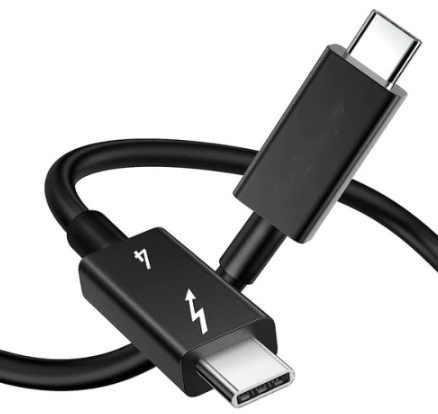
A USB-C hub is a device designed to help you connect various peripheral devices to computers or mobile devices equipped with USB-C ports.
With the rise of USB-C ports in modern laptops, such as MacBooks, Dell XPS, HP Spectre x360, and Lenovo ThinkPad X1 Carbon, traditional rectangular USB-A ports are gradually being phased out. In this context, USB-C hubs become extremely useful as they enable the connection of devices that still utilize USB-A ports, like printers, mice, and keyboards. Essentially, they expand the connectivity options of USB-C devices, making daily use more flexible and convenient. Below, we'll introduce how to choose the right USB-C hub based on different usage scenarios.
Scenario A: Laptop with Only One USB-C Port (No Other Ports)
If you've opted for a super-slim laptop with just a single USB-C port and mainly use it for web browsing, streaming media, or performing basic office tasks, a simple USB-C hub with a few extra ports will suffice.
However, it's crucial to select a hub that features Power Delivery (PD) and USB ports. This way, it can not only power your laptop but also provide connections for external hard drives or USB flash drives and other peripherals. If you plan to use a mouse along with Bluetooth devices that have USB receivers (e.g., keyboards), it's worth spending a few extra dollars on a USB-C hub with excellent shielding performance. Such a hub can minimize mouse jitter during movement and prevent the mouse from freezing completely.
Scenario B: Primarily Using USB-C Devices for Work (e.g., Business Professionals or Students)
For users in this category, a USB-C hub that offers reliable connections and additional ports for connecting peripherals like printers, scanners, wired networks, and projectors/monitors is more essential. Moreover, charging capabilities are indispensable to ensure that devices remain powered throughout the day. Therefore, you should choose a USB-C hub equipped with USB-A, Ethernet, HDMI, and Power Delivery interfaces.
When it comes to USB-A interfaces, clarify whether their speeds are USB 2.0, USB 3.0, or USB 3.1. To save time, it's advisable to purchase a USB 3.1 hub. Additionally, consider potential future needs. Nowadays, an increasing number of laptop models are reducing the number of traditional USB-A ports in favor of USB-C ports, and this trend extends to daily devices such as USB flash drives, external SSDs, and keyboard cables. Hence, investing in a USB-C hub with functions beyond your current requirements is a wiser choice, eliminating the need for immediate replacement when your needs change. For instance, you could try the new PUrplelec six-in-one hub with a USB-C data port.
Scenario C: Heavy Users like Graphic Designers, Video Editors, and Gamers
For these users, a USB-C hub capable of handling high-speed data transfer, video output, and charging functions is of paramount importance. They often need to connect multiple devices simultaneously and demand fast and reliable performance. Additionally, they may require extra ports for connecting specia-lized peripherals such as graphics tablets or game controllers. Here are the specific considerations:
Multiple Ports: The hub should feature a variety of ports, including HDMI, Ethernet, USB-C PD, USB-A 3.0, and SD/microSD card slots, to meet the demands of connecting multiple devices simultaneously.
HDMI: If a USB-C hub has multiple HDMI ports but only one USB-C interface, carefully check whether it truly supports extending two displays. Over 60% of USB-C hubs with two or three HDMI ports only support display extension for Windows users. Also, clarify the specific 4K standards they refer to.
Power Delivery: Choose a hub that can provide up to 87W of power to your laptop. This allows you to charge your laptop while working, which is particularly useful for heavy users who work for extended periods.
Compatibility: Select a hub that is compatible with both Mac and Windows computers, facilitating seamless switching between different systems, whether you're in the office, on the go, or at home.
Build Quality: Opt for a hub made of high-quality materials with a sturdy design. It should be able to withstand intensive use and serve as a reliable choice for heavy users, preventing frequent replacements.
In the long run, investing in a high-quality USB-C hub can save you money. A well-made hub can last for years and endure intensive use. Choose a hub made of durable materials and backed by a warranty or customer support. Meanwhile, select a hub based on the types and quantities of ports required for your specific work or gaming setup. Ensure that the hub supports fast charging and power delivery to keep your devices charged and ready for use at all times.
Ultimately, the key to selecting the right USB-C hub lies in considering your current and future usage needs as well as your budget. With a wide variety of hubs available on the market, taking the time to research and compare different products will help you find the most suitable one, enhancing your overall computing experience.