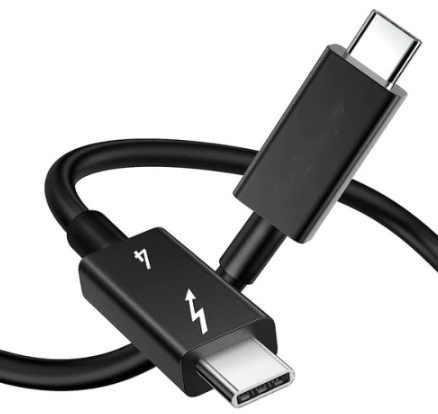
What is a USB-C port?
The USB-C port is a new type of USB interface, also known as USB-Type-C or simply USB-C. USB-C is a physical interface that supports different interface specifications such as USB 3.1, USB 3.2, and USB 4, with high-speed data transmission capabilities and powerful power transmission functions. The USB-C interface adopts a symmetrical design, so that users do not need to distinguish between the positive and negative directions when inserting, which greatly improves the convenience of use.
What is a Type-A port?
The Type-A port is a type of USB (Universal Serial Bus) interface and one of the earliest widely used USB interface types. It has a rectangular appearance, a relatively large volume, and is directional, that is, the plug can only be inserted into the socket from a specific direction.
The Type-A port supports multiple USB versions, including USB 1.0, USB 1.1, USB 2.0, USB 3.0 (also known as USB 3.1 Gen 1) and higher versions of the USB standard. Different versions of Type-A ports have different transmission rates. For example, the rate of USB 2.0 is 480Mbps, while USB 3.0 is increased to 5Gbps. However, it should be noted that although the Type-A port supports high-speed transmission, its physical design and interface specifications limit its scalability and flexibility in some aspects.
USB-C port and Type-A port each have different application scenarios
Application scenarios of USB-C port
1. High-end smartphones: With the advancement of technology, more and more smartphones have begun to adopt USB-C interface as the standard interface for charging and data transmission. For example, the flagship models of brands such as Apple, Huawei are equipped with USB-C interface, which not only improves the charging speed, but also facilitates the connection between users and various peripherals.
2. Laptops: USB-C interface has become one of the standard features of modern laptops. It supports high-speed data transmission, fast charging, and video output, making laptops more convenient when connecting to monitors, projectors and other devices. At the same time, many laptops also support Thunderbolt protocol through USB-C interface, further improving data transmission speed and scalability.
3. Tablets: Some high-end tablets have also begun to use USB-C interfaces to meet users' needs for high-speed data transmission and fast charging. For example, Apple's iPad Pro series is equipped with a USB-C interface, allowing users to connect and expand with various peripherals more conveniently.
4. Professional peripherals: In professional fields such as photography and audio production, many high-end peripherals have also begun to use USB-C interfaces. These peripherals can achieve high-speed data transmission and stable power supply through the USB-C interface, thus meeting the needs of professional users.
Application scenarios of Type-A ports
1. Traditional computers and peripherals: Because the Type-A interface has a long history and a wide application base, it still dominates in many traditional computers and peripherals. For example, many old computers, printers, scanners and other devices are equipped with Type-A interfaces.
2. Home entertainment devices: Some home entertainment devices (such as smart TVs, TV boxes, etc.) are also often equipped with Type-A interfaces to facilitate users to connect storage devices such as USB flash drives and mobile hard drives to watch videos, pictures and other content stored in them.
3. Car chargers and adapters: In the field of car charging, Type-A interfaces are still very common. Many car chargers and adapters are equipped with Type-A interfaces to meet users' charging needs for mobile phones, tablets and other devices.
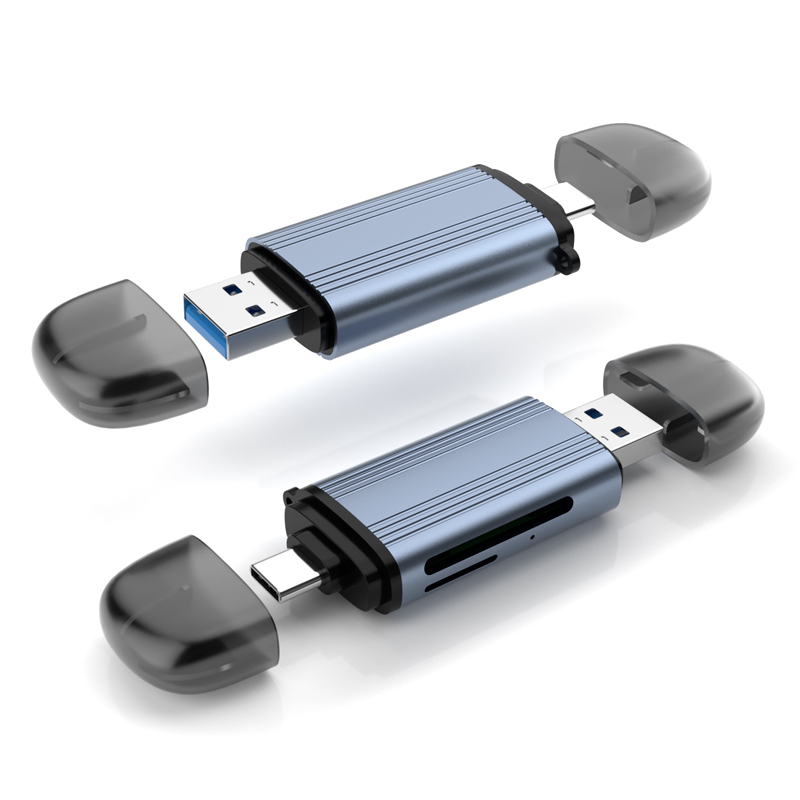
With the popularization of USB-C interfaces and technological advancement, the application scenarios of Type-A interfaces may gradually decrease. However, in the short term, Type-A interfaces will still play a role in many traditional devices and application scenarios. At the same time, some devices also provide USB-C and Type-A dual interface designs to meet the needs of different users.