A decade ago, mobile storage was bottlenecked by USB 2.0’s 480Mbps transfer rate—copying a high-definition movie took minutes. Today, high-load scenarios like 8K video editing, 3D modeling, and AI training are pushing data volumes into the terabyte range. The evolution of storage expansion devices is, fundamentally, a race against time costs.
The Evolution of Storage Expansion Devices
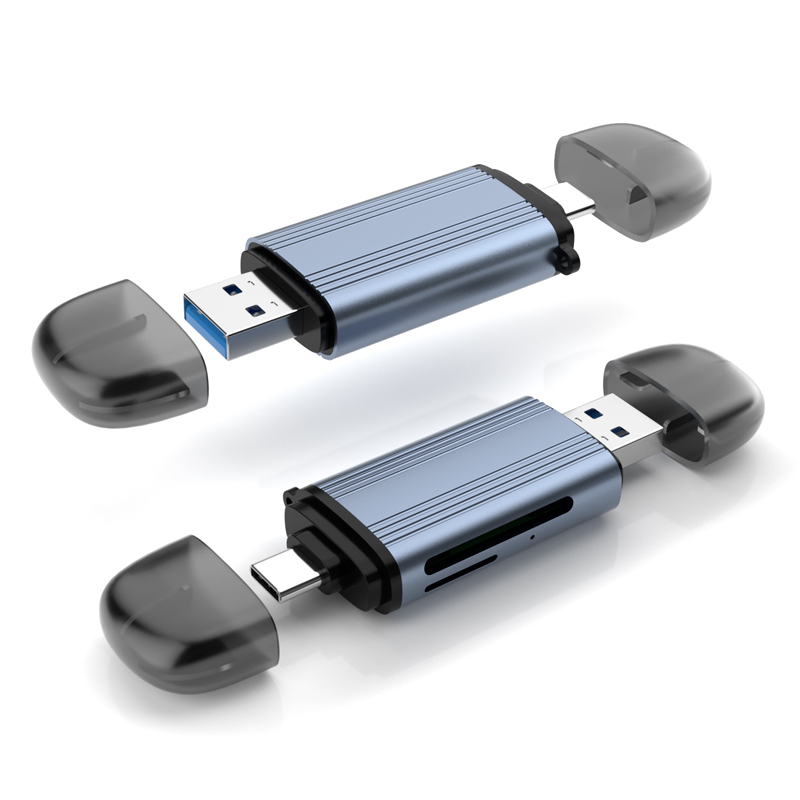
In the early 2000s, external hard drive enclosures emerged as "mobile warehouses," but their speed, limited by USB 1.1/2.0 interfaces, was only sufficient for emergencies. By the 2010s, the widespread adoption of USB 3.0 (5Gbps) and SATA III (6Gbps) ushered in the era of "instant transfers," yet still struggled to meet the demands of real-time 4K video editing. Then, in 2015, Thunderbolt 3 (40Gbps) arrived, elevating external storage performance to match internal NVMe SSDs and revolutionizing professional workflows.
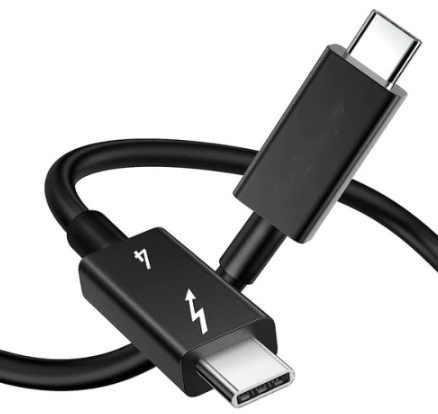
Now, with explosive growth in 8K video, massive 3D models, and AI datasets, storage expansion devices face a new challenge: enabling seamless, terabyte-scale data flow between devices. The answer lies in protocol advancements—from Thunderbolt 3 to Thunderbolt 4 (40Gbps), and the 2023 release of Thunderbolt 5 (80Gbps). Doubling bandwidth not only slashes wait times but redefines what "mobile storage" can achieve.
When the Future Arrives: The "Invisible Value" of TX009S1
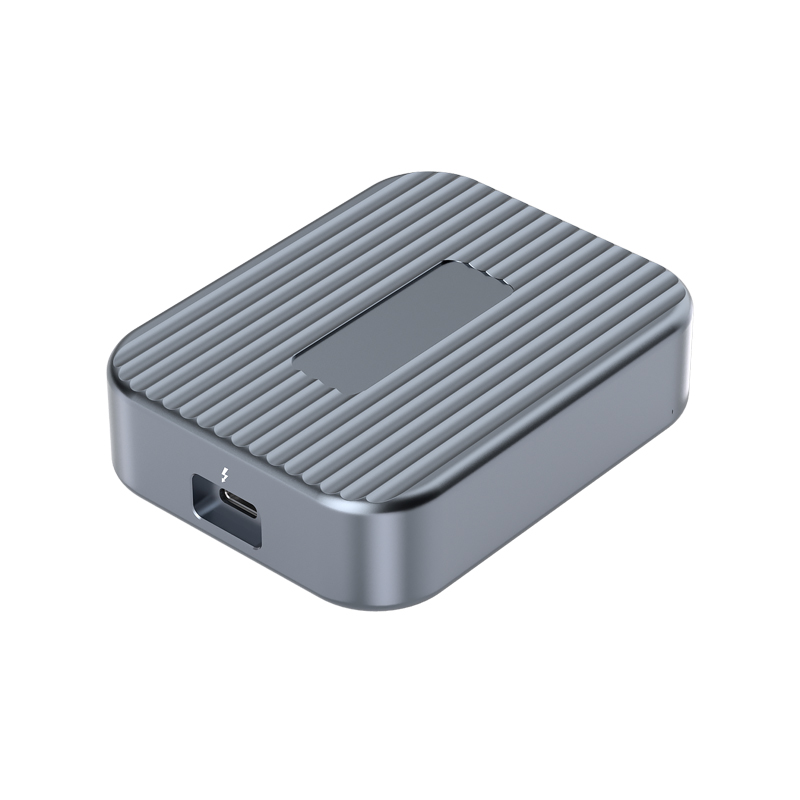
In this evolution, TX009S1 isn’t just a benchmark for speed—it offers professionals "time freedom":
Compatibility: Supports Thunderbolt 5 while maintaining backward compatibility with Thunderbolt 4/USB4, eliminating concerns about device obsolescence.
Scalability: The Intel JHL9480 controller brings external SSD performance close to direct motherboard connections, meeting real-time read/write demands for 8K video editing, 3D rendering, and other intensive tasks.
Scene Adaptability: Whether managing film studio assets, scientific datasets, or game developer resource libraries, TX009S1 transforms "mobile storage" into a productivity tool rather than a bottleneck.
In an era where data volumes grow exponentially, the value of storage expansion devices tran-scends mere capacity or speed—it’s about efficiency, collaboration, and staying ahead in competitive markets. TX009S1 is the invisible accelerator driving this transformation.