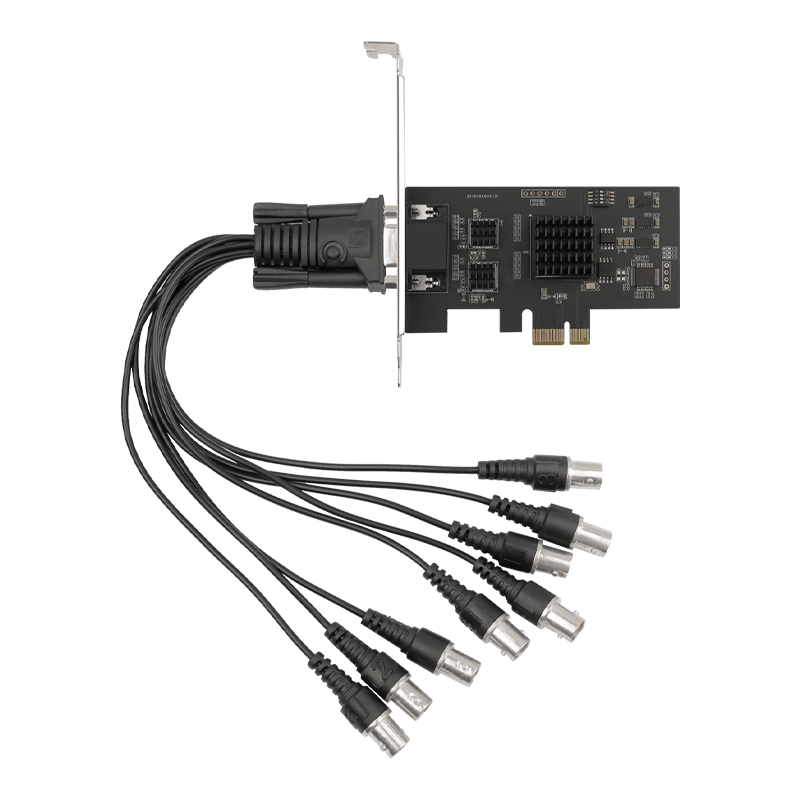
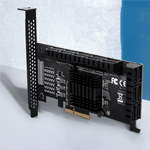
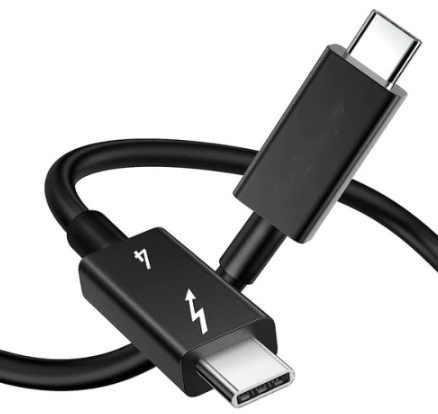
In professional fields such as film and television production, live streaming, and security monitoring, video capture cards serve as the core equipment for ensuring efficient processing of multi-source video signals. Their technical essence lies in capturing, converting, and transmitting video signals through hardware architecture, providing a standardized digital foundation for subsequent editing, storage, or live broadcasting.
I. Core Functions: Signal Compatibility and Format Standardization
The primary role of video capture cards is to address signal compatibility issues between different devices:
1. Interface Expansion Capability
Supporting digital interfaces like HDMI, SDI, and DisplayPort, as well as analog interfaces such as AV and S-Video, they can simultaneously connect to multiple types of signal sources, including cameras, game consoles, and medical equipment. For instance, in film production, when synchronously capturing 4K signals from multiple camera angles, capture cards can process signals in parallel through multi-interface designs.
2. Format Conversion and Encoding
They convert raw signals into digital formats recognizable by computers (e.g., MP4 files encoded with H.264/H.265), while enabling hardware-level adjustments to parameters such as resolution, frame rate, and color gamut. In the medical imaging field, capture cards must convert specialized signals from endoscopes into DICOM-standard formats to ensure data compatibility with hospital PACS systems.
II. Typical Application Scenarios
1. Film, Television, and Live Production
Game Streaming: Low-latency capture (typically<50ms) enables simultaneous acquisition of console visuals and microphone audio, avoiding screen tearing caused by software-based capture.
Post-Production: Digitizing analog signals from film scanners provides high-precision source material for restoring classic films.
Virtual Production: Capturing green screen footage and outputting it in real-time to Unreal Engine facilitates instant synthesis of virtual and real-world scenes.
2. Security and Surveillance Systems
In intelligent security applications, capture cards can process signals from 16 or more cameras simultaneously, reducing CPU load through hardware encoding and supporting 24/7 stable operation. The output digital streams can be directly integrated into NVRs or cloud storage platforms, meeting large-scale deployment requirements.
3. Industrial and Medical Fields
Industrial Inspection: Capturing signals from high-speed cameras (e.g., >1,000 fps) with hardware buffering technology prevents data frame loss.
Medical Imaging: Converting specialized signals from ultrasound and endoscopy devices into universal digital formats supports remote consultation systems.
III. Key Considerations for Technical Selection
1. Bandwidth and Resolution Support
Choose interfaces based on application requirements (e.g., HDMI 2.1 supports 48Gbps bandwidth for 8K@60Hz transmission) to avoid image quality degradation due to insufficient bandwidth.
2. Latency and Synchronization Performance
For live streaming, end-to-end latency should be<100ms. Multi-camera setups require Genlock synchronization support to ensure consistent timecodes across all footage.
3. Software Ecosystem Compatibility
Prioritize capture cards that support mainstream software like OBS, vMix, and Premiere to minimize technical adaptation costs. Some professional cards also offer SDK development kits for custom integration into proprietary systems.
The technical value of video capture cards lies in their hardware-level signal processing capabilities—enabling low-latency, high-stability signal conversion through dedicated chips, they provide irreplaceable technical support for professional scenarios. As technologies like 8K, HDR, and high frame rates continue to evolve, the performance metrics of capture cards will keep improving, solidifying their role as critical infrastructure in digital content production chains.