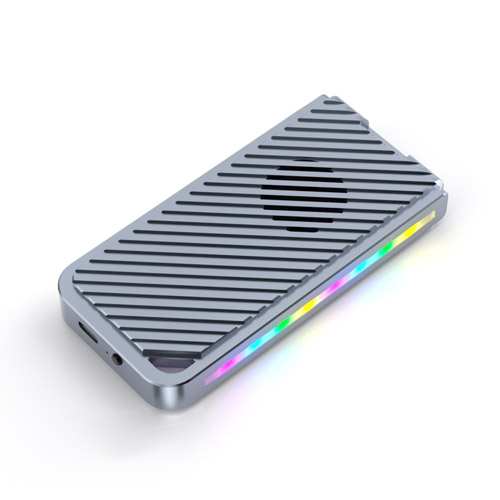
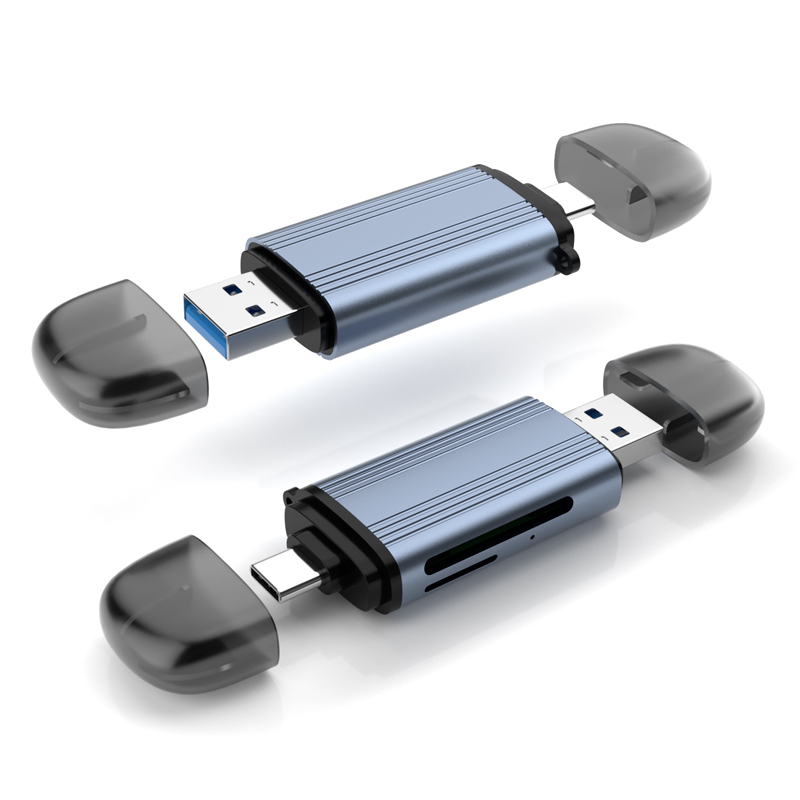
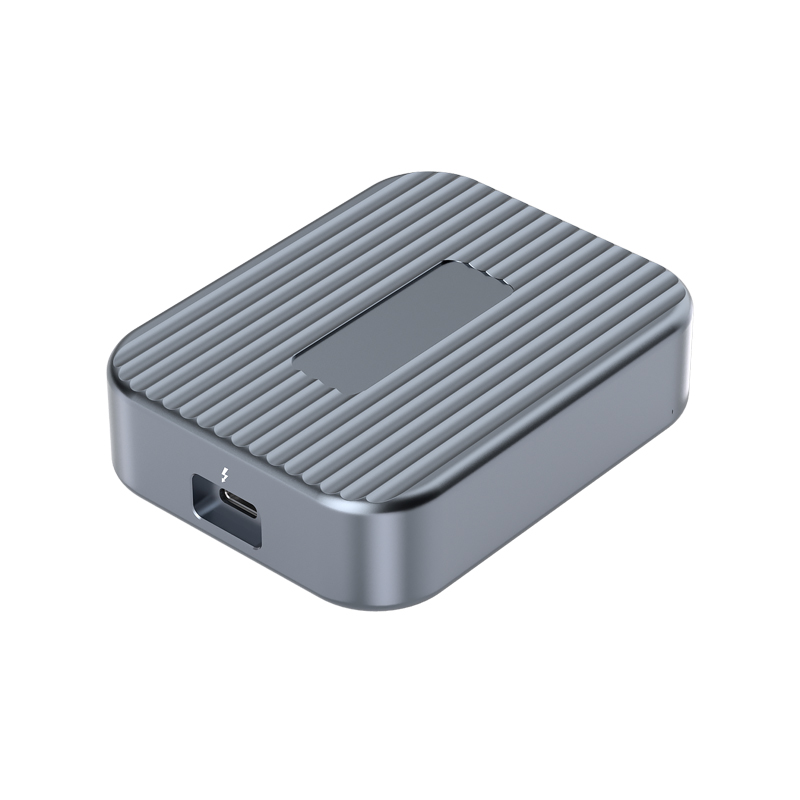
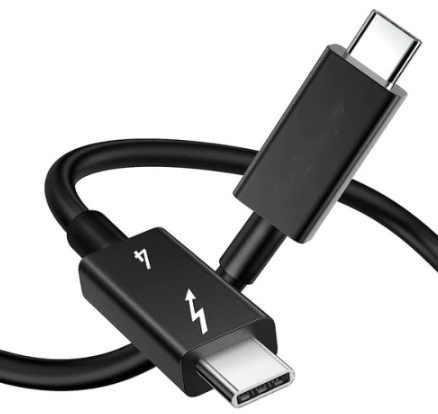
It's time to bid farewell to the reliance on outdated Android pins and ports and step into the USB-C era. In this era where connectivity reigns supreme, USB-C adapters have become an essential tool for everyone. These adapters, equipped with 24-pin interfaces, not only meet basic connection needs but also significantly enhance device performance. Whether you want to boost transfer speeds, increase power supply capabilities, or seamlessly connect multiple devices, USB-C adapters can easily handle the task.
Faced with a wide variety of ports on the market, USB-C adapters play a crucial role in solving connection issues. They enable efficient interaction between devices with different port configurations, eliminating the need for a multitude of cables and adapters.
Notable Advantages of USB-C Adapters
Effortless Connection of Various Devices
USB-C adapters can easily bridge the gap between USB-C devices and older peripherals, ensuring smooth compatibility among smartphones, tablets, laptops, and desktop computers, making connections a breeze.
Enhanced Device Utility
With the help of USB-C adapters, users can connect multiple devices simultaneously, greatly increasing the flexibility of use.
Simplified Workflow
USB-C adapters can connect multiple devices to a single port, allowing users to freely switch between operations such as file transfer, charging, and connecting to an external display without repeatedly plugging and unplugging cables, making the workflow more efficient.
Common Types of USB-C Adapters
USB-C to USB-A
When using a USB-C device with a USB-A port, this type of adapter is indispensable. It allows USB-C mobile devices to be easily connected to computers or accessories with only USB-A ports for charging, synchronization, and data transfer.
USB-C to HDMI
Through a USB-C to HDMI adapter, USB-C devices can be connected to HDMI-supported displays, such as TVs, monitors, and projectors. It supports high-definition video and audio transmission, making it an ideal choice for video streaming, gaming, and professional presentations.
USB Type-C to Ethernet
For users who frequently play online games, watch streaming videos, or transfer large files, a USB Type-C to Ethernet converter can connect a USB-C device to a wired Ethernet network, ensuring a reliable and fast internet connection.
SD Card to USB-C
A USB-C to SD card adapter enables USB-C device users to read and write to SD cards, which is very practical in creative applications.
Tips for Choosing the Right USB-C Adapter
Focus on Reliability and Quality
Selecting a USB-C adapter crafted with durable materials and components can avoid performance issues and extend the device's lifespan. Cheap adapters may lead to connection difficulties, device damage, and early failures. Reading reviews and choosing well-known brands can reduce the likelihood of problems.
Weigh Price and Reputation
When quality, reliability, and after-sales support are crucial, choosing the cheapest adapter is not always the wisest decision. It's important to understand different manufacturers and compare their products' features, specifications, and customer reviews to make a suitable choice.
Application Scenarios of USB-C Adapters
Personal Non-Commercial Use
In personal life, USB-C adapters can be used for synchronizing and charging mobile devices, connecting laptops to external displays for gaming and streaming, as well as connecting other devices such as keyboards, mice, and printers.
Workplace Applications
In a business environment, USB-C adapters allow laptops to be connected to external displays for presentations, to Ethernet for reliable internet access, and can also connect multiple devices to simplify processes.
Best Practices for Using USB-C Adapters
Before using a USB-C adapter, consider security threats such as information theft or virus infections. If connection is necessary, only use adapters from reliable manufacturers and never connect to devices from unknown sources. At the same time, keep the software and security settings on the device updated to reduce the risk of being hacked.
Common Problems and Solutions
If a USB-C adapter is not working properly, you can try the following methods:
1、Verify whether the adapter and the device are compatible and whether they can handle the necessary functions.
2、Check the plug, wires, and connectors for signs of damage.
3、Ensure that the software and drivers on the device are up to date.
4、Use the adapter with other devices to determine the root cause of the problem.
5、If the problem still persists, seek help from the manufacturer or purchase a new adapter.
Summary: USB-C Adapters - The Optimal Solution to Connection Problems
USB-C adapters shorten the distance between different devices and accessories, making them the best choice for solving connection problems. They offer a variety of easy-to-use connection options, helping people make the most of their electronic devices and simplify their digital lives. To ensure a smooth and efficient user experience for your devices, please refer to the suggestions in this article and choose a high-quality USB-C adapter.