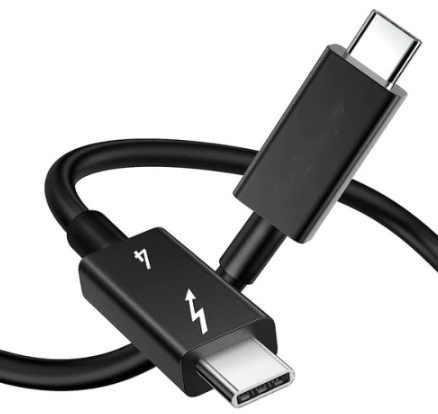
In the wave of the digital era, devices have become the core link of our personal and professional lives, and our dependence on them is growing day by day. Against this backdrop, the importance of cybersecurity has become increasingly prominent. However, the USB-C hub, a small yet powerful device, is often overlooked in cybersecurity discussions. In fact, it is like a double-edged sword, capable of building an efficient bridge for communication between devices, but also potentially acting as a "Trojan horse" for malware infiltration. This article will delve into the security of USB-C hubs and provide practical protection guidelines to help you safeguard your devices.
USB-C Hub and Security: The "Trojan Horse" and Protective Shield in the Digital World
Potential Threats: The "Trojan Horse" of the Digital World
In Greek mythology, the Trojan horse symbolizes hidden danger. In the digital realm, unknown USB-C hubs can sometimes play a similar role. When we connect such hubs to our devices, it's like opening Pan-dora's box, potentially inviting unwanted guests such as malware and phishing scams, and exposing our devices to potential security threats.
Security Protections: The "Secret Weapons" of Modern USB-C Hubs
Fortunately, modern USB-C hubs are not defenseless. They are equipped with various security features, such as firmware password protection and encrypted communication. These features serve as a sturdy shield, providing strong protection for device security. It should be noted that the security of personal data and the integrity of devices depend on the effective implementation of these security measures.
Choosing a Secure USB-C Hub: Building a Solid Security Defense from the Source
Prioritizing Security
When selecting a new USB-C hub, don't be misled by price or appearance. Security should be your top consideration. As the "gatekeeper" of data flow between devices, the USB-C hub shoulders the responsibility of fending off digital threats. Only by ensuring that the hub has corresponding security features can it be transformed into a guardian of network security.
Practical Selection Tips
Check Specifications: Just as you carefully examine the ingredient list of food, carefully study the specifications of the USB-C hub. Pay close attention to whether built-in firmware protection and encryption features are mentioned, such as password protection and security keys. Even if these terms sound professional and difficult to understand, there are abundant resources available online to help you comprehend them.
Read User Reviews: User reviews are an important way to understand the actual performance of a product, just like advice from neighbors. By reading the experiences of previous users, especially those related to security, you can promptly identify potential warning signs, such as malware attacks or data theft incidents. A secure USB-C hub should have a good reputation rather than a string of negative reviews.
Ensure Manufacturer Reputation: In the field of tech products, brand and manufacturer reputation are crucial. Reputable manufacturers pay more attention to product quality and security and will take extra measures to ensure product safety. Therefore, before making a purchase, take some time to learn about the manufacturer's background.
Compatibility Check: Before bringing a new USB-C hub home, make sure it is compatible with your devices and their security measures. The hub and devices should work closely together to create a secure data transmission environment.
USB-C Hub: The Superhero of Device Security
The Potential to Safeguard Device Security
The USB-C hub is not just a "bystander" among tech devices but has the potential to become a superhero for device security. By carefully managing communication between devices, a secure USB-C hub can act like a bodyguard, preventing malicious threats from compromising device security. With most modern devices supporting USB-C interfaces, a single hub can build a protection network for all your devices.
The Secrets to Creating a Superhero
Regularly Update Firmware: The tech field is highly competitive, with innovation and security threats coexisting. Regularly updating the hub's firmware can keep you one step ahead in fending off potential threats. Manufacturers will continuously release patches to enhance the hub's defensive capabilities, ensuring it can cope with the latest security challenges.
Set Strong Passwords: Although the advice to set strong passwords may sound a bit cliché, it is often overlooked in reality. A strong password is like a sturdy fortress, effectively preventing unauthorized access. Use your creativity to design a complex and difficult-to-guess password, adding an extra layer of security to your device.
Use Encrypted Communication: If the hub supports encrypted communication, be sure to enable this feature. Encryption is like a secret language that only your devices can understand, preventing data from being eavesdropped on. Even if the data is intercepted, it cannot be read without the decryption key.
Be Wary of Unknown Devices: When an unknown device attempts to connect to the hub, be highly vigilant, just like when you hear a stranger knocking at the door in the middle of the night. Personal and professional data are extremely valuable. Never allow unverified devices to enter your digital space to avoid security risks.
Additional Security Tips for Protecting USB-C Hubs
Comprehensive Security Reinforcement
Update Drivers: Keeping device drivers up to date ensures compatibility and security with the USB-C hub. Timely driver updates can fix known security vulnerabilities and improve the overall security of the device.
Install Antivirus Software: Antivirus software serves as an extra barrier against malware infiltration. It can monitor and block potential threats in real time, protecting your devices and data security.
Encrypt Data: If the hub does not have built-in encryption, use software solutions to achieve data encryption. Encrypted data, even if stolen, cannot be easily read, providing additional protection for your data security.
Control Access Permissions: Limit which devices can connect to the hub to effectively reduce security risks. Only allow verified and trustworthy devices to connect, avoiding potential threats posed by unknown devices.
Security Risks to Avoid and Prevention Measures
Analysis of Common Risks
Data Theft: Once the hub is compromised, your data is also at risk of being stolen. Regular security checks can help identify and fix security vulnerabilities in a timely manner, reducing the possibility of data theft.
Malware Infiltration: Viruses, worms, or malware may infiltrate your device through insecure connections. Timely updates of antivirus software and keeping it enabled can effectively block malware infiltration.
Connection of Unverified Devices: Just as you wouldn't easily trust unknown emails, don't easily trust unknown devices. Only connect verified and trustworthy devices to avoid security issues caused by connecting unknown devices.
Risks of Public Wi-Fi Networks: Public Wi-Fi networks are hotbeds of potential threats and have many security vulnerabilities. If possible, avoid connecting the hub to public networks to reduce security risks.
Best Practices for USB-C Hub Security
Continuously Safeguarding Device Security
Set Complex Passwords: Don't use simple passwords, such as your pet's name. Complex passwords are harder to crack and can provide more reliable protection for device security.
Regularly Update Software and Firmware: Ensure that the hub's firmware and the drivers of connected devices are always up to date. Timely updates can fix security vulnerabilities and improve the overall security of the device.
Pay Attention to Network Security Environment: Avoid using the hub in insecure network environments. If you must use it, take additional security measures, such as using a Virtual Private Network (VPN).
Use Reputable Antivirus Software: An extra layer of security protection is always beneficial. Choose reputable antivirus software and regularly update the virus database to cope with ever-changing security threats.
Conclusion
In the grand scheme of cybersecurity, USB-C hubs play a crucial role. By deeply understanding potential risks and actively implementing strong security measures, we can transform USB-C hubs from potential security vulnerabilities into sturdy security fortresses. Cybersecurity is not a one-time action but a continuous process. Let's stay vigilant, update regularly, and remember that the key to device security lies in our own hands. Together, we can safeguard the security of the digital world.