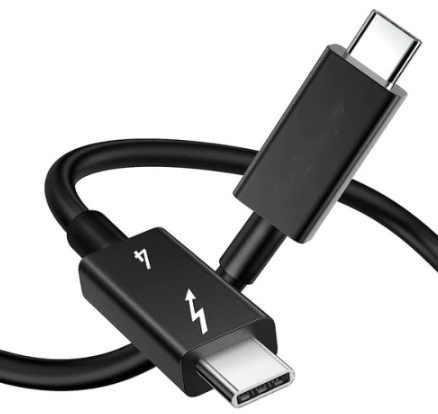
With the rapid development of information technology, the iteration speed of notebook computers is accelerating, and in order to pursue a thinner and lighter design, many manufacturers have begun to gradually reduce the types of interfaces on notebooks. In the past, interfaces such as E-SATA, FireWire, VGA, DisplayPort, SD card slot, USB A, 3.5mm headphone jack, HDMI and RJ45 were common on notebooks, but nowadays, most new notebooks only retain USB C interfaces (including Thunderbolt or full-function USB C) and audio interfaces.
However, the reduction of interfaces does not mean a reduction in practicality. In order to make up for this defect, USB C hubs came into being. This compact device can use the supported protocols of the USB C interface (such as USB, PD, DisplayPort, Thunderbolt, etc.) to expand multiple commonly used interfaces for notebook computers, making the desktop tidier and reducing the trouble of plugging and unplugging interfaces.
The functions of USB C hubs are diverse. Here are some of the main ports and their uses:
USB A port:
USB 2.0 interface (usually black): suitable for low-speed devices such as keyboards and mice, with a transmission speed of 480Mbps.
USB 3.0 interface (usually blue): suitable for high-speed devices such as USB flash drives and hard drives, with a transmission speed of up to 5Gbps.
HDMI/VGA/DisplayPort port:
HDMI interface: supports the connection of audio and video devices with a resolution of up to 4K@60Hz UHD HDR, and can output images and sounds at the same time.
DisplayPort interface: suitable for high-end monitors, supports a resolution of up to 8K/60Hz, and supports audio and video synchronization.
VGA interface: suitable for older monitors, supports a resolution of up to 1920x1200@60Hz, and only outputs images.
RJ45 port:
Ethernet port, providing a more stable and faster network connection than Wi-Fi, and some manufacturers provide a high-speed port of 1000Mbps (1Gbps).
SD/TF card slot:
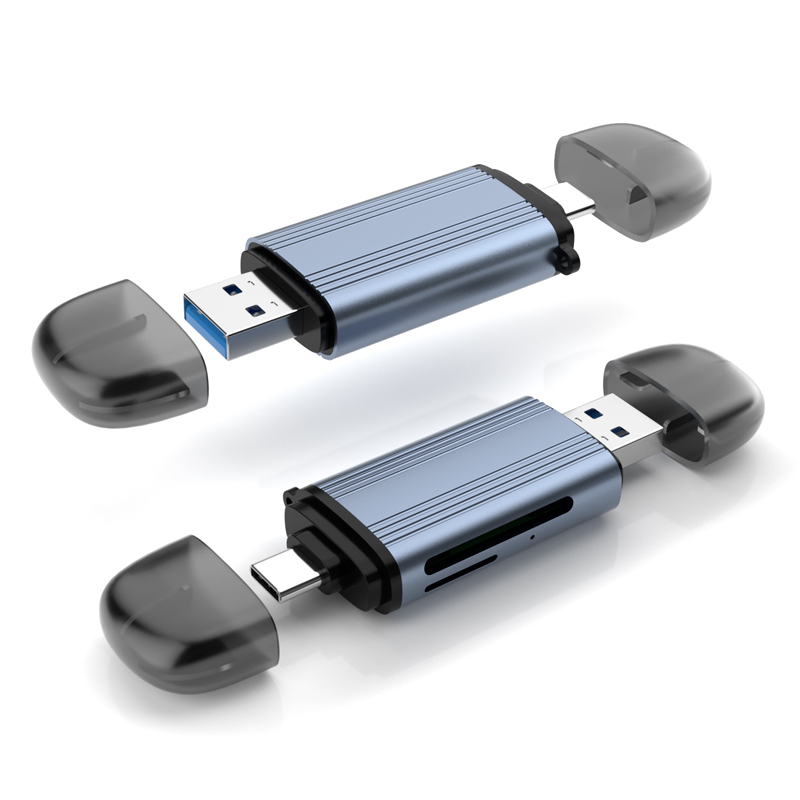
Supports reading of SD and TF cards, facilitating data transmission between portable devices (such as digital cameras, mobile phones, tablets) and laptops.
USB C female port:
Can be used to connect a power adapter to power the laptop, providing up to 100W of power.
When choosing a USB C hub, in addition to considering the type and number of ports, you can also pay attention to its shape and material. Rectangular, square and round hubs have their own advantages and can be sele-cted according to the needs of desktop settings. The frosted aluminum alloy shell and nylon braided cable can provide better durability and heat dissipation while remaining lightweight.
In summary, the USB C hub is a powerful tool to solve the problem of insufficient interfaces in thin and light notebooks. It can not only expand multiple commonly used interfaces, but also improve the neatness of the desktop and reduce the trouble of plugging and unplugging interfaces. When choosing, you can choose the appropriate port type, quantity, shape and material according to your needs and budget.