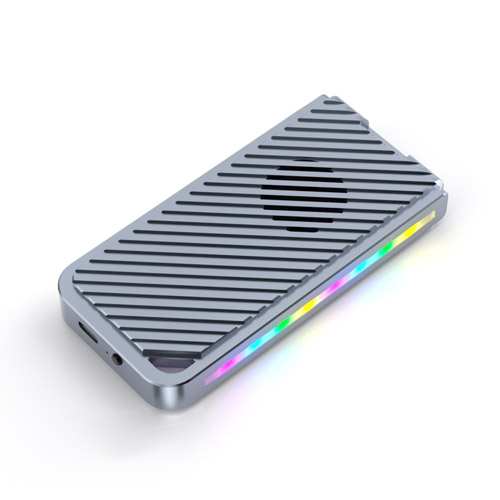
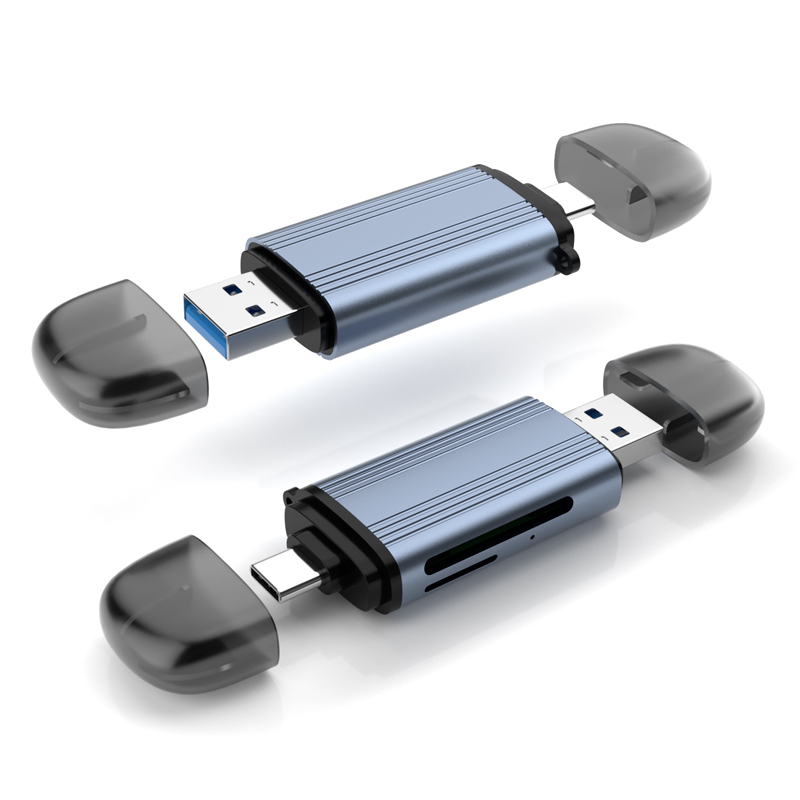
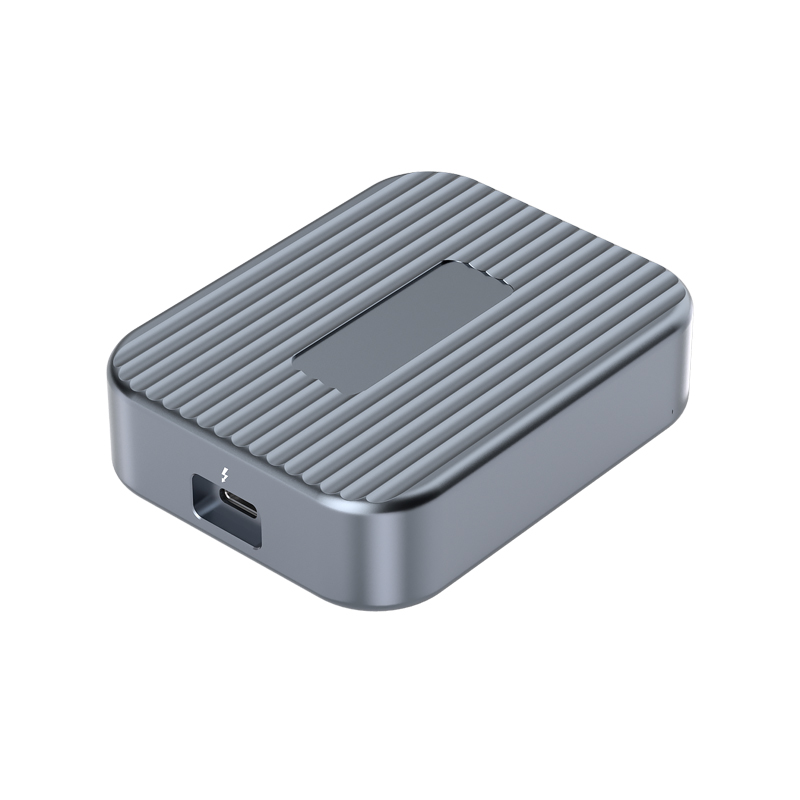
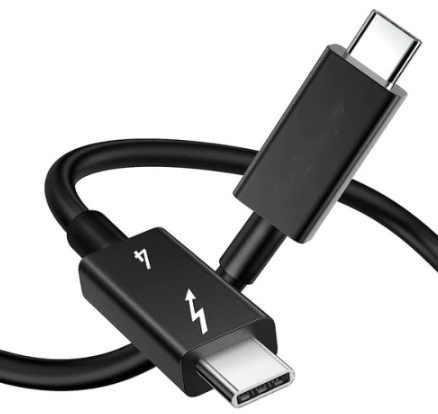
Different USB-C hubs are designed to accommodate a variety of devices and scenarios. For example, HDMI and VGA ports are used for video output, Ethernet ports provide reliable network access, and USB-A and USB-C ports can connect to a variety of devices. To choose the right hub, you need to be familiar with the various port types and how they relate to online meetings.
Video and audio capabilities vary by device and model
The video and audio capabilities of USB-C hubs vary depending on the specific device and model. Some hubs can provide clear 4K video resolution, while others can reliably transmit pristine audio. However, these capabilities may be limited by the performance of the connected device or the capabilities of the underlying video conferencing platform. Finding a balance between your needs and these limitations is the key to making the most of the hub.
Improve video quality
Have you ever encountered a situation in which the picture looks like a pixelated ghost instead of a natural face in a virtual meeting? Plugging an external webcam into a USB-C hub may solve this problem. Before buying a webcam, make sure the hub has a USB-A or USB-C port. Connect the hub to your computer and double-check that the camera is recognized. This way, you can participate in high-quality online video meetings.
Webcams of different sizes have different capabilities. Some cameras have excellent low-light performance, some have autofocus, and some provide higher-definition video. Choosing the best camera for your situation and preferences depends on your specific situation and preferences. Remember, the more realistic the video, the better the virtual communication.
Three tips to optimize video settings:
1. Keep the webcam at eye level to make the communication more personal and conversational.
2. Natural light is the best choice, but make sure there is enough light. If natural light is not available, LED lights are also a good alternative.
3. Make sure the video settings of the meeting software are optimized for your webcam and connection speed.
Improve audio quality
Clear audio and high-quality video are equally important. A choppy audio stream can seriously affect the virtual meeting experience. This is where a USB-C hub and an extra microphone or headset can help. Connecting is similar to plugging in a webcam: find the right port, make sure the device is recognized, and you're ready to go.
A variety of microphones and headphones offer features such as noise cancellation and surround sound. Choose the device that best suits your needs based on the specific circumstances of the virtual meeting you're holding. The need for advanced noise cancellation technology will vary depending on the environment in which it's used.
Tips for optimizing audio:
1. Wear headphones before entering the room to avoid echoes.
2. Stay in a quiet room to reduce noise levels. Using a noise-canceling microphone can also help.
3. If the sound is too loud or too quiet during the meeting program, try adjusting the microphone sensitivity setting.
Use a USB-C hub to improve screen sharing and collaboration efficiency in online meetings
Using a USB-C hub can improve the efficiency of screen sharing and teamwork in online meetings. For example, you need to quickly present a high-resolution PowerPoint presentation without delays; or collaborate with colleagues on a paper in real time. These operations will become simple as long as the right devices are connected to the USB-C hub.
USB-C hubs can connect to a variety of devices, including high-resolution monitors for crisp images and tablets for editing documents on the go. The success of your virtual meeting depends on your familiarity with the meeting's needs and the device's capabilities.
Three ways to minimize delays when sharing your screen:
1. If you want to avoid delays when sharing your screen, it's a good idea to close unused programs.
2. Ethernet cables provide a reliable connection between your computer and the Internet.
3. Keep your hardware and teleconferencing software up to date for maximum efficiency and compatibility.
Solving common problems
Like all tech products, USB-C hubs for online meetings can have problems. Sometimes the video or audio quality suddenly deteriorates. Learning to identify common problems and taking appropriate action can save a lot of trouble and wasted time.
To make your next virtual meeting go smoothly, follow these three simple guidelines:
1. Before purchasing a USB-C hub, make sure your device is compatible with it.
2. Regularly updating device drivers is essential to avoid connection or performance issues.
3. If the problem persists, contact the hub or device manufacturer for help.
Conclusion
Now that online meetings have become the norm, high-quality video and audio communications are becoming more and more important. USB-C hubs can significantly improve this experience and are an essential tool in the modern digital age. Understanding the advantages of virtual meetings and how to make the most of it can help us do our best. Remember, the tools we use and how we use them determine the success or failure of virtual interactions.