In today's rapidly developing technology, the demand for data transmission and device connectivity is constantly upgrading, and USB4 has emerged, carrying the mission of revolutionizing USB standards and leading the future of wired connectivity. As a new generation USB standard, USB4 is not only committed to competing with top competitors, but also hopes to unify the confusing naming conventions, continue the advantages of USB-C connectors, and become a core hub for connecting various electronic devices in the future.
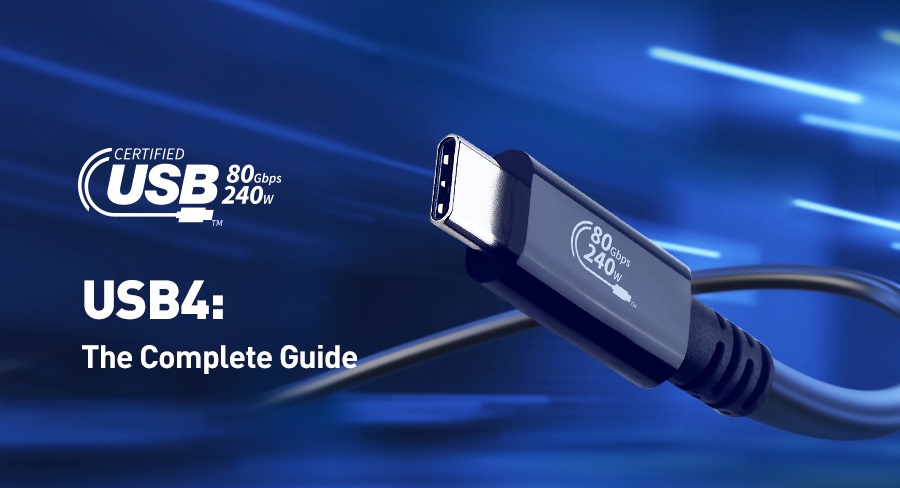
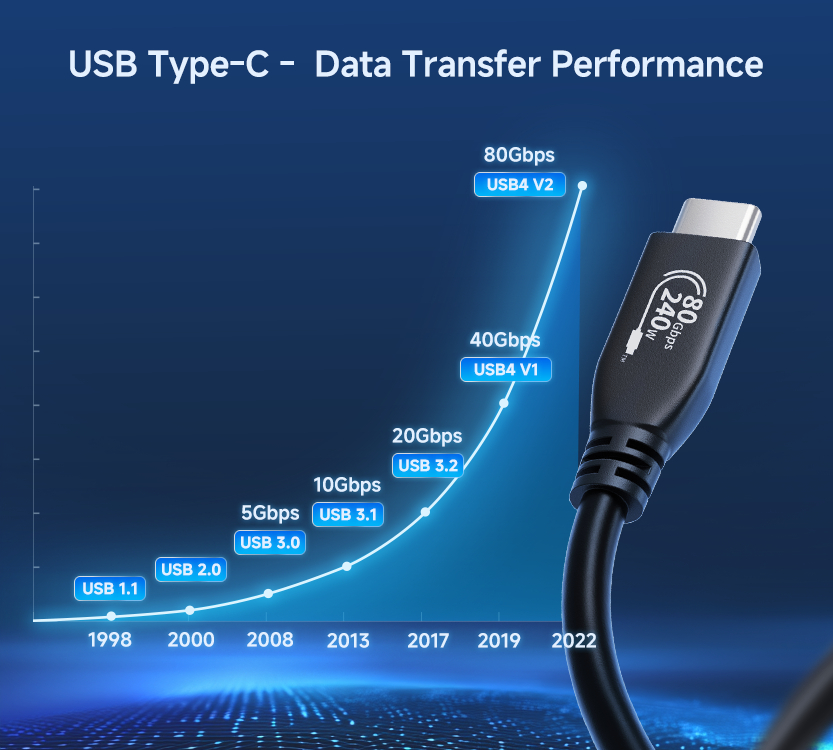
USB4 was developed and released by the USB Implementers Forum, and is the latest achievement of the Universal Serial Bus protocol. It is based on the technological advantages of USB 3.2 2x2, with a minimum throughput requirement of 20Gbps, and some devices can even achieve high-speed transmission of 40Gbps. The upcoming USB4 v2 is expected to push the speed to a new peak. In terms of compatibility, USB4 is highly compatible with the Thunderbolt standard, while ensuring backward compatibility with USB 3. x and USB 2.0. It also supports the DisplayPort and PCIe protocols, providing convenience for connecting devices such as ultra high definition displays.
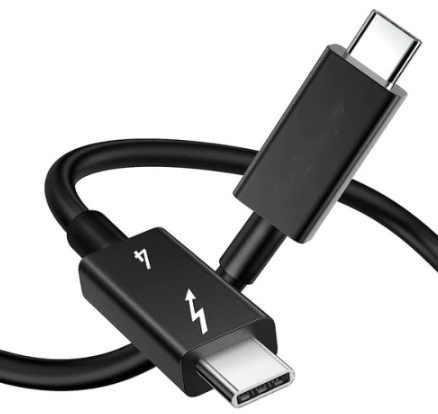
USB4 has significant advantages and can be considered a strong competitor to technologies such as Thunderbolt 3 and Thunderbolt 4. In terms of bandwidth performance, its minimum throughput of 20Gbps is not to be underestimated, and the high-speed transmission of 40Gbps makes data transmission lightning fast. Whether it is transferring large video files or streaming high bandwidth content, it can easily cope. With the help of the DisplayPort Alt Mode 2.0 protocol, USB4 can achieve high-quality video output with 8K resolution, 60Hz refresh rate, and HDR10 colors, while ensuring high-quality audio transmission. The intelligent bandwidth management function greatly improves the flexibility of USB4 connection. When connecting displays and transmitting data simultaneously, the host system can allocate bandwidth reasonably to avoid mutual interference.
Power supply and compatibility are also highlights of USB4. All USB4 devices support USB Power Delivery, with a power supply capacity of up to 100W, making charging laptops and other devices more efficient. USB4 v2 is expected to further improve the power supply level. In terms of compatibility, although older USB 1 and USB 2 devices require converters, overall USB4 achieves good compatibility with previous generation products, ensuring that users' old devices will not be outdated.
In terms of ports and specifications, USB4 uniformly adopts the Type C interface, completely solving the problem of naming confusion. Devices with different performance are clearly labeled with numbers (such as 20, 40) to demonstrate their data transmission capabilities, making it easy for users to identify and select.
From data transmission to display connection, USB4 has demonstrated powerful capabilities. It supports dynamic sharing of high-speed data links between multiple devices, ensuring stable and efficient connections. The application of DP Alt Mode in DisplayPort simplifies the connection process of devices such as displays and reduces the complexity of cables. Compared with the previous generation USB 3 and USB 2.0, USB4 has achieved a qualitative leap in transmission speed, resolution support, power supply capability, and other aspects.
The arrival of USB4 v2 has pushed this technology to new heights. The data transmission rate can reach up to 80Gbps, and under special configurations, it can even reach 120Gbps. The doubled bandwidth design makes it the perfect choice for high-performance applications. Meanwhile, USB4 v2 still maintains compatibility with older standards and supports DisplayPort 2.1, providing gamers and professionals with a top-notch video output experience.
Overall, USB4 is undoubtedly an upgraded version of USB 3. Although Thunderbolt 4 has higher standards in some aspects, USB4, with its open nature, is expected to be popularized in a wider range of devices. It unifies the USB standard, simplifies user choices, provides stronger performance, and offers a more convenient connection experience. Whether for ordinary users or professionals, USB4 will bring a new and efficient experience for device connection and data transmission, leading wired connection technology into a new era.