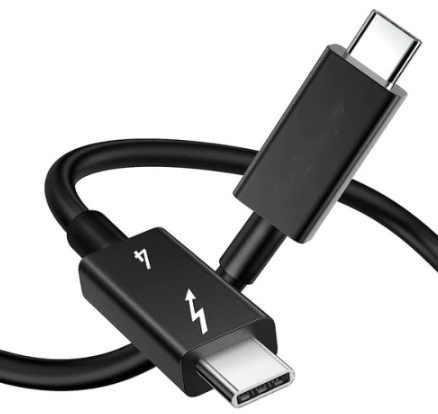
In the modern digital age, the connection between numerous electronic devices is of utmost importance to our daily lives. The USB-C hub has emerged as a significant innovation in the ever-evolving digital landscape, competing with more traditional adapters. Users who value efficiency, convenience, and performance need to understand the differences between these two types of connectors. This article aims to compare and contrast these two connection methods to help you make a more informed decision when choosing.
What Are USB-C Hubs and Traditional Adapters?
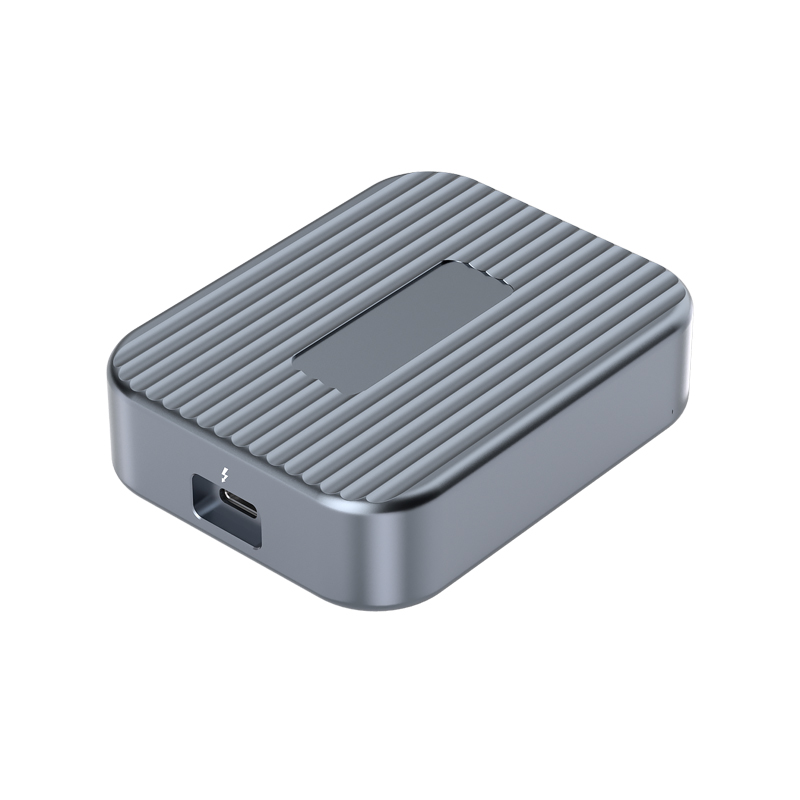
A USB-C hub is a new member of the USB family. It defines how various electronic devices are connected and how electricity is transmitted between them. This type of hub is equipped with multiple USB-C ports and can convert a single USB-C port into multiple other types of connections, such as HDMI, VGA, and Ethernet.
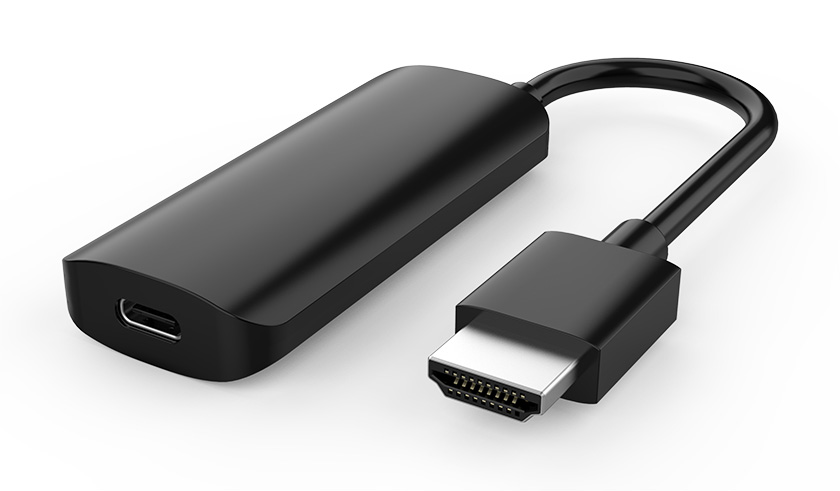
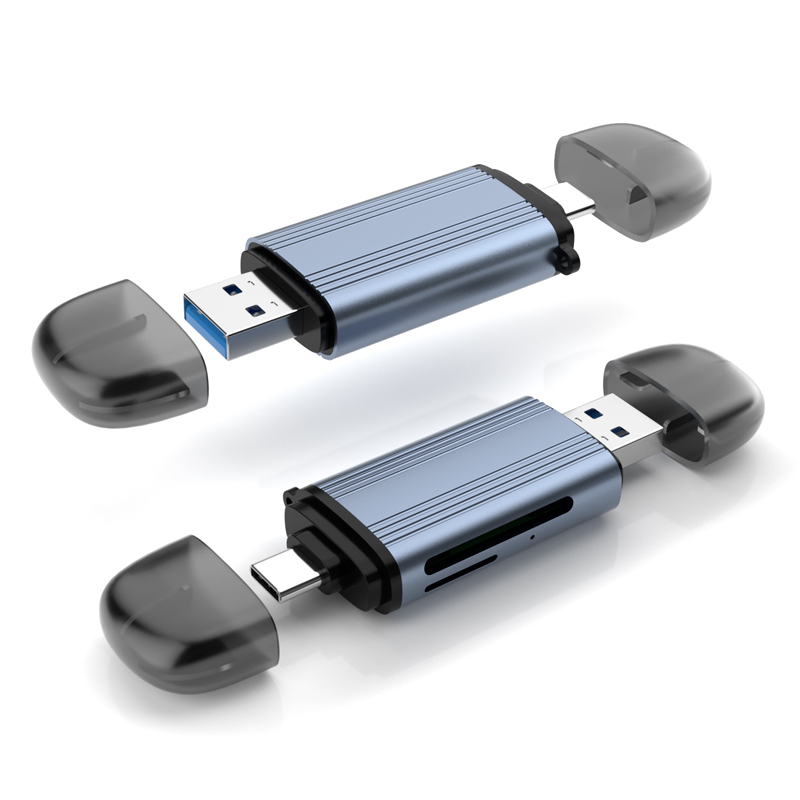
Traditional adapters, on the other hand, are versatile USB connectors that can convert one type of USB port into another. For many years, they have been essential tools for connecting devices like monitors, printers, keyboards, and mice to computers.
Working Principles and Variations
Both can achieve device connections, but they differ in functionality and structure. A USB-C hub, with its multiple ports, is better suited as a universal connection solution compared to a simple data transfer or charging station. Traditional adapters have a more specific purpose: they are used to connect devices with different port types to a computer.
Pros and Cons of USB-C Hubs
Advantages
Rich Port Selection: Designed with adaptability in mind, USB-C hubs commonly feature ports such as HDMI, Ethernet, SD card slots, and USB 3.0, making them compatible with a wide range of accessories.
Multifunctionality and Convenience: A single USB-C hub can connect up to six devices, reducing the number of adapters you need to carry and the number of cables you need to keep track of.
High-Speed Data Transfer: Compatible with the latest USB 3.1 specification, USB-C hubs offer data transfer speeds of up to 10Gbps, which is 20 times faster than USB 2.0 and twice as fast as USB 3.0.
Disadvantages
Power Supply Issues: When multiple devices are connected, there may be insufficient power supply, especially for high-power peripherals like external hard drives.
Compatibility Limitations: Since some older devices do not support USB-C, the practicality of the hub may be limited.
Higher Price: Due to their superior features, USB-C hubs are more expensive than ordinary adapters.
Pros and Cons of Traditional Adapters
Advantages
Compatibility with Older Devices: Traditional adapters can be used with older devices that do not support the latest USB-C standard.
Low Cost: Compared to USB-C hubs, these adapters are a more cost-effective basic communication solution.
Easy to Use: Simply plug them in, and they are ready to go. Their main purpose is to switch connection types without any additional features.
Disadvantages
Single Functionality: Unlike USB-C hubs, traditional adapters usually offer only a single function, which means you may need to have multiple adapters for different electronic devices.
Bulky and Inconvenient: Due to their quantity and the size of the connected devices, they can be bulky and inconvenient.
Slow Data Transfer: Most traditional converters use older USB standards (such as USB 2.0), which provide much slower data transfer speeds compared to the newer USB-C standard.
How to Choose?
Selection Criteria
Device Connection Needs: If your activities require the simultaneous use of multiple peripherals, a USB-C hub may be your best choice. However, for simple one-to-one connections, a traditional adapter will suffice.
Compatibility: Check the compatibility specifications of the chosen connector to ensure it works with your devices. While modern devices may be more suitable for USB-C hubs, older devices may require traditional adapters.
Budget: USB-C hubs are more expensive but offer more powerful features than older models.
Comparison Summary
USB-C hubs are ideal for situations requiring multiple connections due to their multiple ports. However, for simple one-to-one connections, nothing beats a traditional high-quality adapter. Modern USB-C hubs are compatible with various devices, but classic adapters still play an important role in allowing users to connect older or more specialized devices. If you are on a tight budget, traditional adapters are cheaper. But if your financial situation allows, it is advisable to upgrade to a USB-C hub because of its better functionality and versatility.
Final Conclusion
Which is better, a USB-C hub or a traditional adapter? It depends on your personal needs, devices, and budget. If you need to connect multiple devices, transfer data quickly, and your budget allows, a USB-C hub is your best choice. On the other hand, if your needs are less complex or your budget is limited, you may find that a more traditional adapter better meets your requirements.