For those who are not familiar with the USB-C port and its video output capabilities, it is inevitable that they will be embarrassed when encountering technical difficulties. But don't worry, Purplelec will take you to explore the mysteries of USB-C hubs, revealing device compatibility, port specifications and the important role of adapters and cables.
USB-C: The universal connection hub for modern devices
USB-C is hailed as the universal connector of the future. With its compact size and reversible design, it is widely used in electronic products such as laptops, smartphones and tablets. However, when it comes to video output capabilities, each USB-C port varies greatly.
Device compatibility: the first consideration for video output
When exploring the video output capabilities of the USB-C port, device compatibility is crucial. Although most devices are equipped with a USB-C port, not all support video output. Therefore, it is important to confirm the device specifications before purchasing to see if it supports the USB-C port for video output. Typically, devices such as laptops, tablets, and smartphones support video output via USB-C, making it easy to connect to an external monitor or projector to enhance your work and entertainment experience.
Port Specification Differences: Determining Video Output Quality
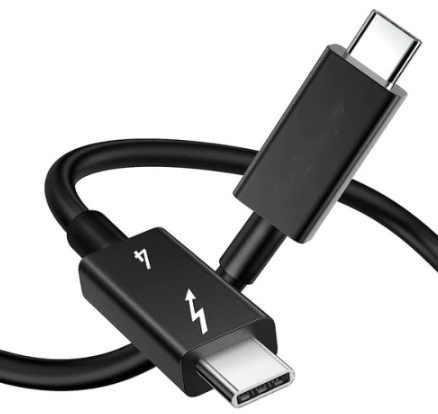
USB-C ports come in a variety of specifications, with different specifications providing different levels of video output capabilities. High-quality USB-C ports with DisplayPort Alt Mode or Thunderbolt 3 can output powerful video signals and support resolutions up to 4K or even 8K for clear picture quality. Devices with only standard USB-C ports may have limited video output capabilities, with lower resolutions or refresh rates.
USB-C Hubs: Enhancers of Video Connections
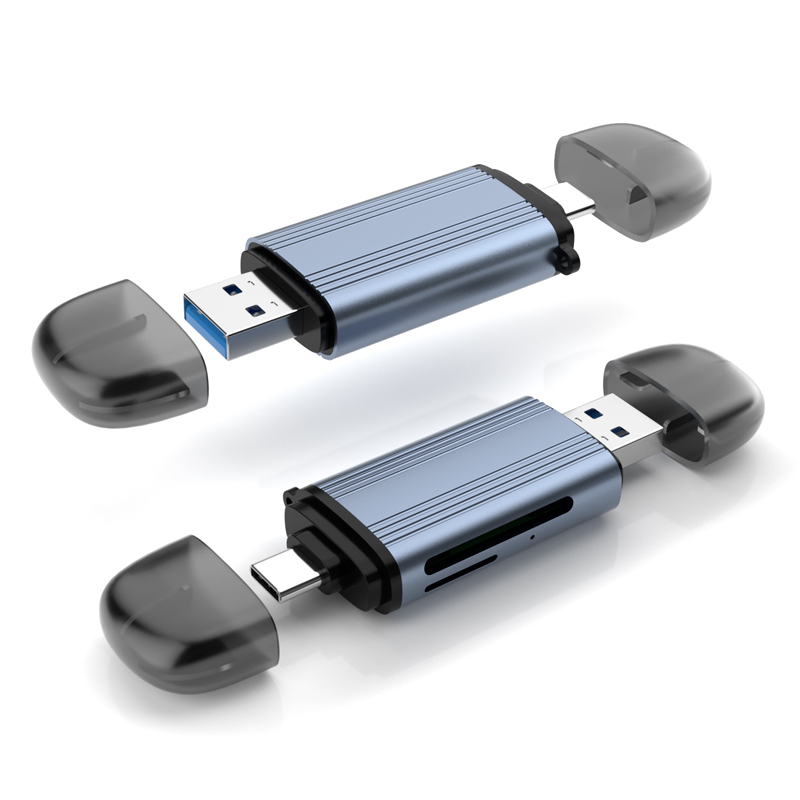
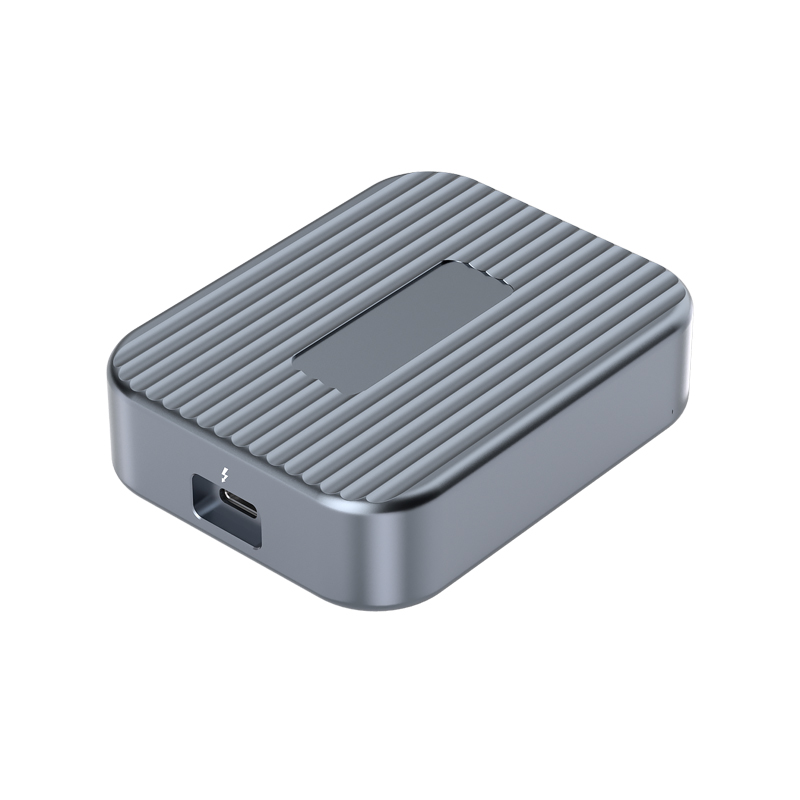
To fully utilize the video output potential of USB-C ports, users often choose to use USB-C hubs. These multi-function devices act as a bridge between USB-C devices and external displays, expanding connectivity options by providing additional ports and features. USB-C hubs with HDMI, DisplayPort, or VGA outputs allow users to seamlessly connect to a variety of display devices such as monitors, TVs, and projectors without bulky adapters or cables.
Conclusion: USB-C hubs improve video connection experience
USB-C hubs play a key role in unlocking the video output capabilities of the device's USB-C port. By understanding device compatibility, port specifications, and the benefits of USB-C hubs, users can fully tap into the potential of their devices to improve productivity, entertainment, and creativity. Whether working, watching streaming content, or making slideshows, USB-C hubs provide the connectivity solutions you need to enhance your multimedia experience. Let's say goodbye to the annoyance of video output and embrace the versatility of USB-C hubs to achieve seamless video connectivity between devices.